What to Expect When You Have a Custom Closet Built Into Your Home
What to Expect When You Have a Custom Closet Built Into Your Home
What to Expect When You Have a Custom Closet Built Into Your Home
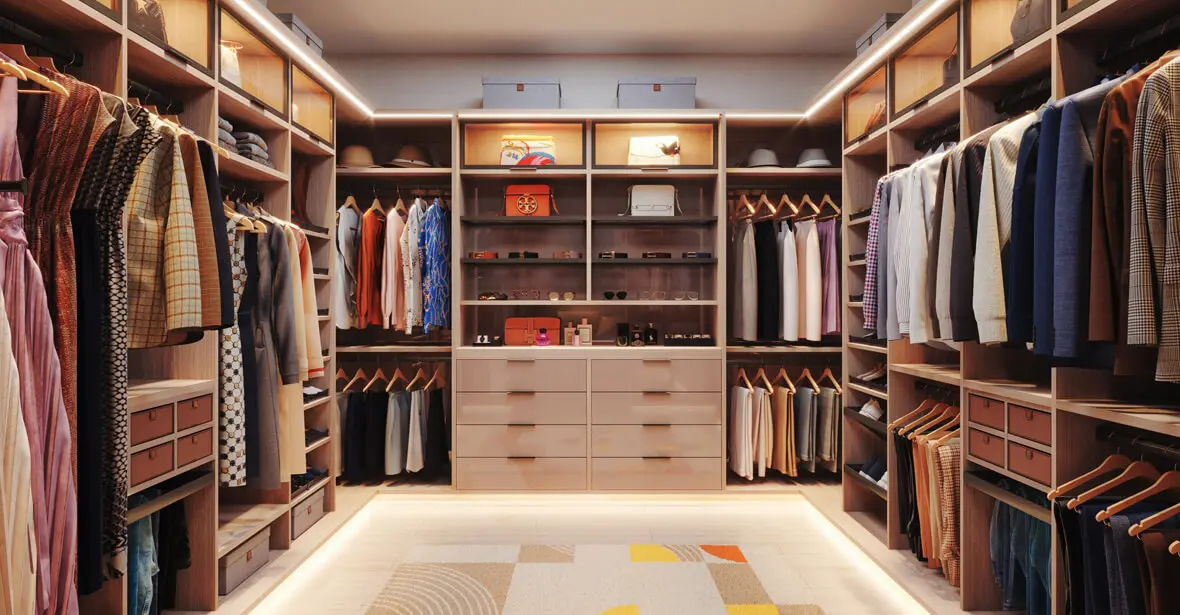
If you've been living with a wire shelf and a single rod since you moved in, you already know the problem. Things get piled. Space gets wasted. And every morning feels more frustrating than it needs to.
A custom closet build-in solves that — but if you've never had one built before, the process can feel a little unclear. What do you actually decide? How long does it take? What makes it different from buying a kit at the hardware store?
Here's a straightforward look at what the process involves, so you know what to expect before you get started.
It Starts With How You Actually Use the Space
Before any measurements are taken or materials are chosen, a good builder is going to ask you questions. Not generic questions specific ones.
Do you hang most of your clothes, or fold them? Do you have long dresses or suits that need full-length hanging? Shoes you want displayed, or stored out of sight? A partner sharing the space? A need for a drawer dedicated to accessories?
The answers to these questions drive the entire design. A closet built for someone with 40 dress shirts looks completely different from one built for someone who lives in jeans and sneakers. That's the whole point of going custom.
This conversation is where you start to see the value — not just in storage, but in a system that actually matches how you live.
Measurements and Design Come Next
Once your builder understands how you use the space, they'll measure the closet carefully — including ceiling height, any awkward angles, doors, vents, and anything else that affects the build.
From there, you'll see a design. This might be a hand sketch, a rough layout, or a detailed plan depending on the builder. What matters is that you can review it and ask questions before anything gets built.
This is the time to speak up. Want to add a drawer? Remove a shelf? Change the hanging height? It's easy to adjust on paper.
Much harder after the lumber is cut.
Materials Are Chosen to Last
One of the biggest differences between a custom build-in and a box-store kit is the material.
Store-bought systems are typically made from lightweight particleboard with a laminate surface. They're fine for light use, but they flex under weight, the hardware wears out, and they don't hold up well over years of daily use.
A built-in uses solid wood, plywood, or MDF depending on the design — materials that are heavier, stronger, and finished properly. The shelves don't sag. The drawers slide cleanly. And because everything is cut and fitted to your specific space, there are no awkward gaps or wasted corners.
It's also built into the walls — not just leaning against them. That means it moves with the house and doesn't shift or tip over time.
The Build Itself Is Faster Than You'd Expect
Once materials are prepped, the actual installation in your home is usually a one- or two-day process for a standard closet. Larger walk-ins or more complex designs take longer, but most homeowners are surprised by how quickly it comes together on-site.
You'll want to clear the closet out before the builder arrives, and expect some sawdust and activity in that area of the home. Most builders clean up thoroughly before they leave.
After installation, there's typically a short finishing phase caulking, touch-up paint, and hardware installation. When that's done, the closet is ready to use.
The Result Looks Like It Was Always There
That's the thing about a well-built custom closet — it doesn't look like an addition. It looks like the house was built that way.
Everything is flush to the walls. The finish matches your trim or complements your room. The proportions are sized for your ceiling height, not a standard box. And every inch of space is working.
Homeowners who've made the switch from wire shelving to a custom built-in usually say the same thing: they wish they'd done it sooner.
Is It the Right Move for Your Home?
If you're planning a renovation and the closet is on your list, a custom built-in is worth serious consideration — especially if you plan to stay in the home long-term. It adds real function to a space you use every single day, and it adds value to the home itself.
It's also a project where the investment holds up. Unlike some renovation choices that feel exciting at first and fade, a well-organized closet continues to pay off every morning.
If you're in the Rogersville area and want to talk through what a custom closet build-in might look like for your space, Ark Interiors builds them start to finish design, materials, and installation.
Reach out to schedule a consultation.
If you've been living with a wire shelf and a single rod since you moved in, you already know the problem. Things get piled. Space gets wasted. And every morning feels more frustrating than it needs to.
A custom closet build-in solves that — but if you've never had one built before, the process can feel a little unclear. What do you actually decide? How long does it take? What makes it different from buying a kit at the hardware store?
Here's a straightforward look at what the process involves, so you know what to expect before you get started.
It Starts With How You Actually Use the Space
Before any measurements are taken or materials are chosen, a good builder is going to ask you questions. Not generic questions specific ones.
Do you hang most of your clothes, or fold them? Do you have long dresses or suits that need full-length hanging? Shoes you want displayed, or stored out of sight? A partner sharing the space? A need for a drawer dedicated to accessories?
The answers to these questions drive the entire design. A closet built for someone with 40 dress shirts looks completely different from one built for someone who lives in jeans and sneakers. That's the whole point of going custom.
This conversation is where you start to see the value — not just in storage, but in a system that actually matches how you live.
Measurements and Design Come Next
Once your builder understands how you use the space, they'll measure the closet carefully — including ceiling height, any awkward angles, doors, vents, and anything else that affects the build.
From there, you'll see a design. This might be a hand sketch, a rough layout, or a detailed plan depending on the builder. What matters is that you can review it and ask questions before anything gets built.
This is the time to speak up. Want to add a drawer? Remove a shelf? Change the hanging height? It's easy to adjust on paper.
Much harder after the lumber is cut.
Materials Are Chosen to Last
One of the biggest differences between a custom build-in and a box-store kit is the material.
Store-bought systems are typically made from lightweight particleboard with a laminate surface. They're fine for light use, but they flex under weight, the hardware wears out, and they don't hold up well over years of daily use.
A built-in uses solid wood, plywood, or MDF depending on the design — materials that are heavier, stronger, and finished properly. The shelves don't sag. The drawers slide cleanly. And because everything is cut and fitted to your specific space, there are no awkward gaps or wasted corners.
It's also built into the walls — not just leaning against them. That means it moves with the house and doesn't shift or tip over time.
The Build Itself Is Faster Than You'd Expect
Once materials are prepped, the actual installation in your home is usually a one- or two-day process for a standard closet. Larger walk-ins or more complex designs take longer, but most homeowners are surprised by how quickly it comes together on-site.
You'll want to clear the closet out before the builder arrives, and expect some sawdust and activity in that area of the home. Most builders clean up thoroughly before they leave.
After installation, there's typically a short finishing phase caulking, touch-up paint, and hardware installation. When that's done, the closet is ready to use.
The Result Looks Like It Was Always There
That's the thing about a well-built custom closet — it doesn't look like an addition. It looks like the house was built that way.
Everything is flush to the walls. The finish matches your trim or complements your room. The proportions are sized for your ceiling height, not a standard box. And every inch of space is working.
Homeowners who've made the switch from wire shelving to a custom built-in usually say the same thing: they wish they'd done it sooner.
Is It the Right Move for Your Home?
If you're planning a renovation and the closet is on your list, a custom built-in is worth serious consideration — especially if you plan to stay in the home long-term. It adds real function to a space you use every single day, and it adds value to the home itself.
It's also a project where the investment holds up. Unlike some renovation choices that feel exciting at first and fade, a well-organized closet continues to pay off every morning.
If you're in the Rogersville area and want to talk through what a custom closet build-in might look like for your space, Ark Interiors builds them start to finish design, materials, and installation.
Reach out to schedule a consultation.
If you've been living with a wire shelf and a single rod since you moved in, you already know the problem. Things get piled. Space gets wasted. And every morning feels more frustrating than it needs to.
A custom closet build-in solves that — but if you've never had one built before, the process can feel a little unclear. What do you actually decide? How long does it take? What makes it different from buying a kit at the hardware store?
Here's a straightforward look at what the process involves, so you know what to expect before you get started.
It Starts With How You Actually Use the Space
Before any measurements are taken or materials are chosen, a good builder is going to ask you questions. Not generic questions specific ones.
Do you hang most of your clothes, or fold them? Do you have long dresses or suits that need full-length hanging? Shoes you want displayed, or stored out of sight? A partner sharing the space? A need for a drawer dedicated to accessories?
The answers to these questions drive the entire design. A closet built for someone with 40 dress shirts looks completely different from one built for someone who lives in jeans and sneakers. That's the whole point of going custom.
This conversation is where you start to see the value — not just in storage, but in a system that actually matches how you live.
Measurements and Design Come Next
Once your builder understands how you use the space, they'll measure the closet carefully — including ceiling height, any awkward angles, doors, vents, and anything else that affects the build.
From there, you'll see a design. This might be a hand sketch, a rough layout, or a detailed plan depending on the builder. What matters is that you can review it and ask questions before anything gets built.
This is the time to speak up. Want to add a drawer? Remove a shelf? Change the hanging height? It's easy to adjust on paper.
Much harder after the lumber is cut.
Materials Are Chosen to Last
One of the biggest differences between a custom build-in and a box-store kit is the material.
Store-bought systems are typically made from lightweight particleboard with a laminate surface. They're fine for light use, but they flex under weight, the hardware wears out, and they don't hold up well over years of daily use.
A built-in uses solid wood, plywood, or MDF depending on the design — materials that are heavier, stronger, and finished properly. The shelves don't sag. The drawers slide cleanly. And because everything is cut and fitted to your specific space, there are no awkward gaps or wasted corners.
It's also built into the walls — not just leaning against them. That means it moves with the house and doesn't shift or tip over time.
The Build Itself Is Faster Than You'd Expect
Once materials are prepped, the actual installation in your home is usually a one- or two-day process for a standard closet. Larger walk-ins or more complex designs take longer, but most homeowners are surprised by how quickly it comes together on-site.
You'll want to clear the closet out before the builder arrives, and expect some sawdust and activity in that area of the home. Most builders clean up thoroughly before they leave.
After installation, there's typically a short finishing phase caulking, touch-up paint, and hardware installation. When that's done, the closet is ready to use.
The Result Looks Like It Was Always There
That's the thing about a well-built custom closet — it doesn't look like an addition. It looks like the house was built that way.
Everything is flush to the walls. The finish matches your trim or complements your room. The proportions are sized for your ceiling height, not a standard box. And every inch of space is working.
Homeowners who've made the switch from wire shelving to a custom built-in usually say the same thing: they wish they'd done it sooner.
Is It the Right Move for Your Home?
If you're planning a renovation and the closet is on your list, a custom built-in is worth serious consideration — especially if you plan to stay in the home long-term. It adds real function to a space you use every single day, and it adds value to the home itself.
It's also a project where the investment holds up. Unlike some renovation choices that feel exciting at first and fade, a well-organized closet continues to pay off every morning.
If you're in the Rogersville area and want to talk through what a custom closet build-in might look like for your space, Ark Interiors builds them start to finish design, materials, and installation.
Reach out to schedule a consultation.